Native Culinary Herbs: Nourishing People and Wildlife
This article was written for Homegrown National Park; read the full article on their website.
I often sense an air of martyrdom around planting native species. We selflessly devote a portion of our gardens to supporting wildlife–space that could have grown tasty veggies or eye-catching ornamentals.
As we get to know native plants, we learn that the distinction between native vs. ornamental vs. edible is a false one. Native plants can be all three!* Native American traditions, Western herbalism principles, and foraging teachers guide us to delicious uses of edible native garden plants.
*Note: Not all native garden plants are edible. Consult a trusted source before nibbling.
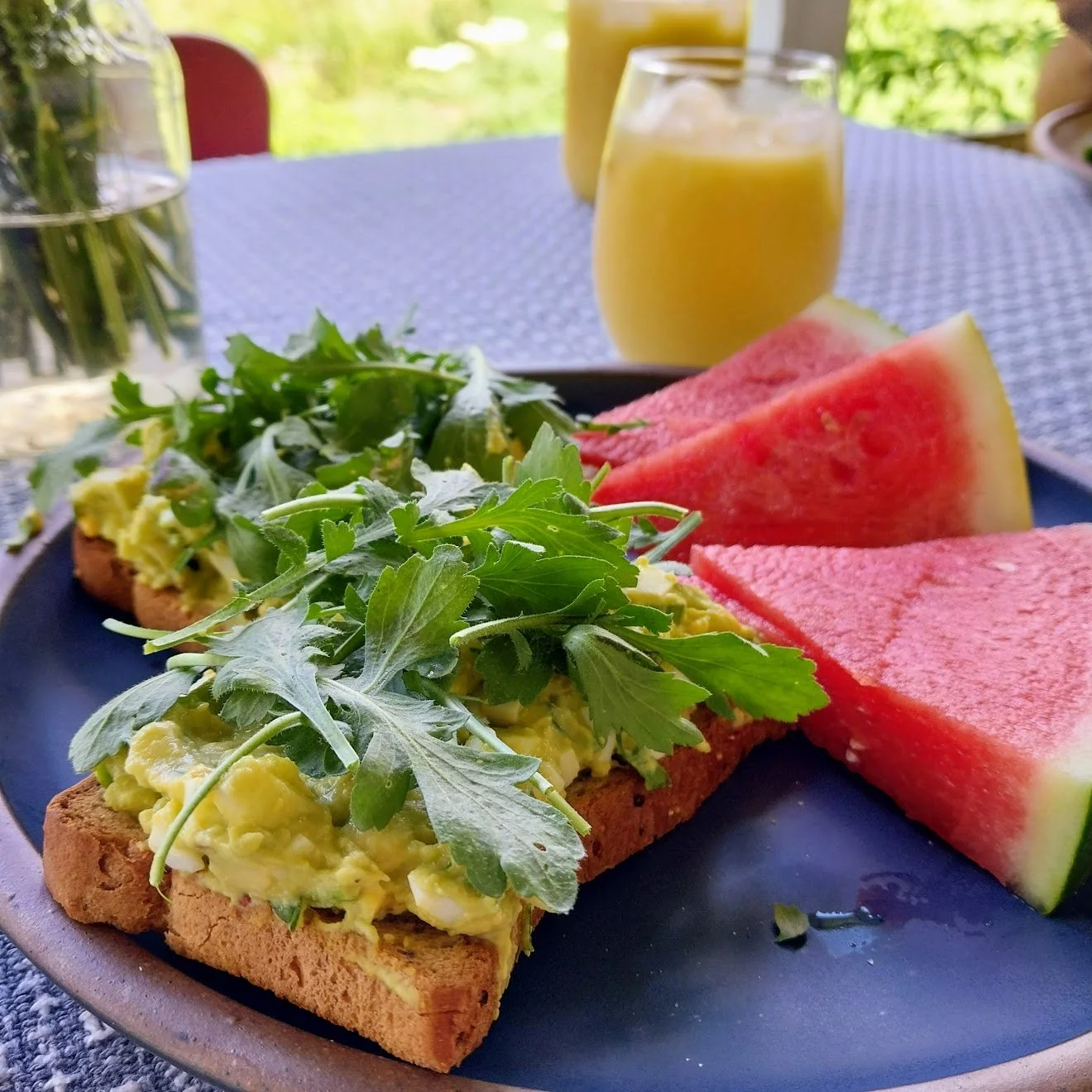
Photo: Pepperweed leaves top egg salad and toast.
"Shouldn't we leave native plants for wildlife?"
Native plants have vital relationships with native insects, birds, and other wildlife. Shouldn’t we leave native plants for them and eat non-native veggies and herbs?
The Western conservation movement presumes that degrading nature is what humans do–and to save nature, we must leave it alone. However, traditional cultures around the world demonstrate that the more we depend on the plants around us, the more we notice changes in their populations, and the more invested we are in their well-being.
The magic of plants is that they don’t provide a finite amount of food. Using regenerative harvesting methods, we don’t just leave enough for local wildlife; we can boost the abundance by extending bloom times, increasing flower and seed production, refreshing crowded plantings, and propagating new plants:
Dividing roots: Digging and dividing a perennial clump gives crowded plants more space. It also provides an opportunity to nourish plants with fresh compost when replanting. This is a great time to take some edible roots for cooking, like nodding onion or prairie onion bulbs (Allium cernuum; A. stellatum).
Pinching tips: For many species, pinching off growing tips in the spring creates bushier plants with more leaves and flowers–providing more food for you and local wildlife. Mint family (Lamiaceae) herbs like bee balm/wild bergamot (Monarda spp.) respond well to this technique. Enjoy nibbling the pinched sprigs!
For some species, harvesting flowering tops stimulates more flower production, increases the total number of seasonal blooms, and extends the flowering season for visiting insects and hummingbirds. My anise hyssop (Agastache foeniculum) snipping results in a months-long bloom time–plus a summer full of delicious smoothies, popsicles, and iced teas. I let the last round of blooms go to seed to feed songbirds.
Below, I share tasty ways to use several native garden herbs.
Rose Mallow & Swamp Rose Mallow
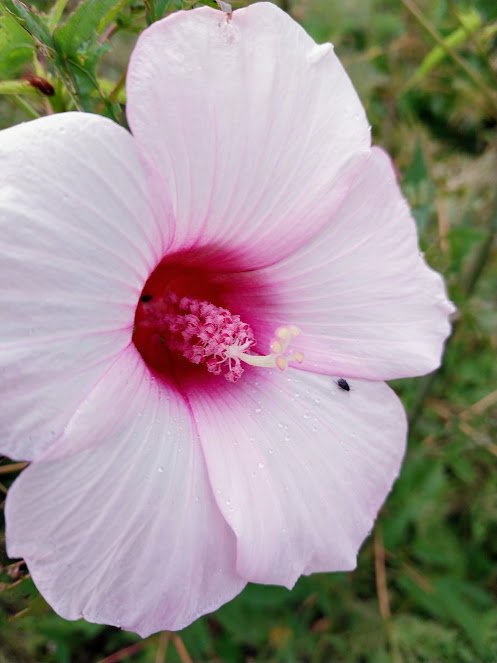
Rose mallows are tall and stately, with lush foliage that charms from the back of a bed. Like other Hibiscus species, their blooms will turn heads.
Rose Mallow in the Kitchen
Like okra (Abelmoschus esculentus), marsh mallow (Althaea officinalis), and other mallow family cousins (Malvaceae), rose mallow provides thickening mucilage in cooking. It adds pleasant body to tea blends, balancing the astringency of many herbs.
H. laevis leaves are more tender than H. moscheutos, and they taste a bit like watermelon. Enjoy them raw in leafy salads, fruit salads, and hydrating smoothies.
The flower petals are mild-flavored and subtly mucilaginous. I tuck them into sandwiches and burritos. Though tender, the petals are sturdy enough to use as edible “utensils”, like flatbreads from South Asia (e.g. chapati, naan, and roti) or Ethiopian/Eritrean injera. I love plating curries and other stewed dishes with a whole Hibiscus flower: pluck a petal and scoop up a bite.
Hibiscus seed pods are a small version of okra pods. I harvest right after the petals drop, peeling the tender pod off of the green calyx. I chop and toss them into gumbo and other stews. Most often, I pop them straight in my mouth—a lovely hydration supporter on hot gardening days.
Note: These uses are intended for H. laevis and H. moscheutos. Do your research before consuming other species.
Rose Mallow in the Garden
Grow rose mallows in a moist patch with full- to part-sun. They prefer slightly acidic soil.
According to the National Wildlife Federation, rose mallows are host plants to over 25 species of butterflies and moths. My personal favorite is delightful bird dropping moth (Tarache delecta); I recommend taking a peek!
H. laevis is the only native plant I grow that suffers significant insect damage. I remove Japanese beetles, slugs, and snails, but I feel compelled to leave native hibiscus sawfly larvae alone when they find their host. I now consider H. laevis a “trap crop” that spares the H. moscheutos growing nearby.
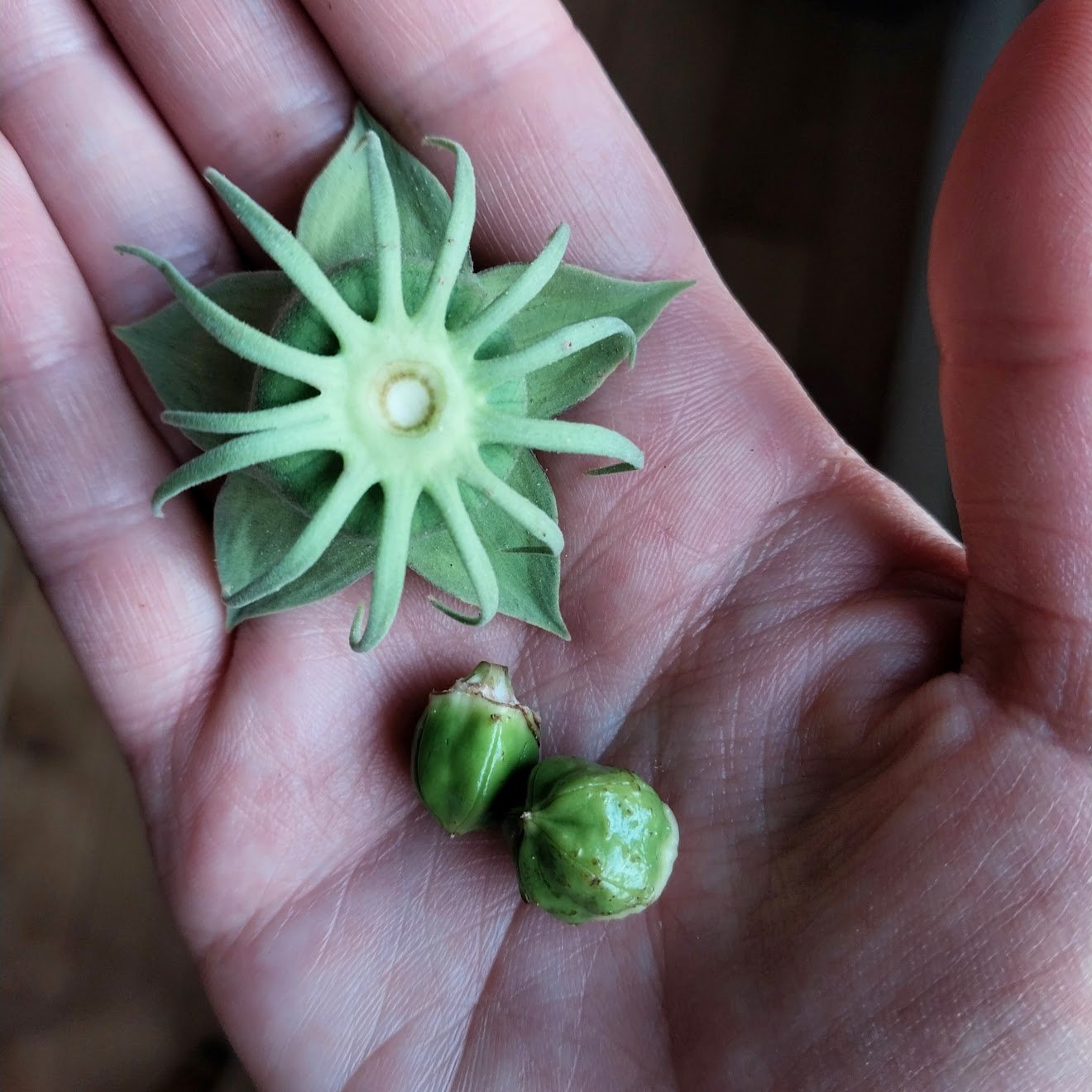
Photo The unripe seed pods of rose mallows can be used like okra (at bottom, pictured next to the calyx)
Learn more
Read the full article: explore growing and cooking with pepperweed (Lepidium virginicum) and bee balm/wild bergamot species (Monarda spp.)—and access a recipe for Everything Bagel Seasoning with Pepperweed Seed—on the Homegrown National Park website.
Go deeper with 20+ native culinary herb species in Native Culinary Herbs: Online Gardening Course. Take $20 off with code HNP20, and 20% of your registration fee will be donated to Homegrown National Park.